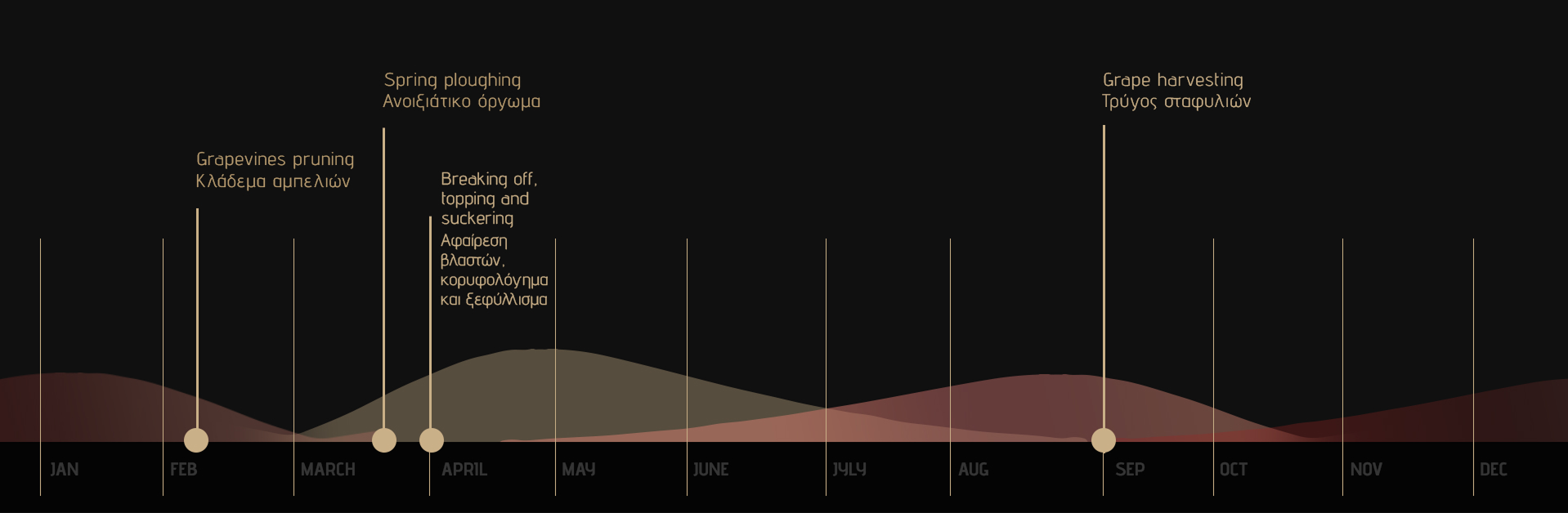

Know-how
You are here:
- Home
- Know-How
Wine bridges the past and the present, standing as both one of humanity’s oldest beverages and a symbol of contemporary^ refinement. In Greece, the oldest confirmed traces of wine date back to around 4200 BC. Significant findings include: Minoan Crete: The cultivation of vines and winemaking were widespread during the Minoan era. At Vathypetro (near Heraklion), the oldest surviving physical wine press in Greece has been discovered, dating to around 2500 BCE. Grape seeds, grape pulp (pomace), and massive storage jars (pithoi) have also been found there. Myrtos Ierapetras: In the settlement of Fournou Korifi, traces of wine production dating to the Early Bronze Age (2600–2000 BCE) were found. Throughout the centuries, wine has evolved beyond a simple drink to become an integral part of cultural identity and everyday life across the world. It has inspired a rich lifestyle culture encompassing wine tasting, gastronomy, travel, collecting^ and investment. Closely connected to food and culinary traditions, wine also elevates social moments, stimulating the senses, encouraging conversation and bringing people together.
Less Talk- More Wine
Wine Tasting Essentials
Wine reveals its true character best during the morning hours, when the senses of smell and taste are clear and most receptive. For a harmonious tasting experience, wines should be sampled in a thoughtful sequence—beginning with lighter, younger white wines and gradually moving toward fuller-bodied and aged red wines.
Choosing the right glass is essential. A tall glass with a narrow bowl allows the wine to be gently swirled, releasing its aromas while directing them toward the nose. Always hold the glass by the stem after pouring, ensuring the wine’s temperature remains stable.
When wine is ordered in a restaurant, the bottle is first presented for label inspection. If the bottle has already been opened, it is appropriate to request a new one. After uncorking, the cork is traditionally offered to the host as confirmation that the wine is free from cork taint.
During tasting, take a small sip and allow the wine to move across the palate while gently breathing in. Oxygen enhances the wine’s expression, allowing its qualities to unfold. A well-crafted wine is defined by balance—between tannins, acidity and structure—resulting in a refined aroma and a cohesive mouthfeel.
Glasses should be filled no more than two-thirds full, allowing space for aromas to develop. Chilled wines should always be held by the stem, while red wines may be held just below the bowl.
Color also offers valuable insight. Young red wines display vibrant red-purple or deep ruby tones, while mature reds shift toward brick and ocher hues, with very old wines appearing brownish. Oak aging may introduce golden highlights. White wines range from pale green in youthful, aromatic styles to golden and amber shades as they mature, with clarity indicating higher acidity. Glasses should be filled no more than two-thirds full, allowing space for aromas to develop. Chilled wines should always be held by the stem, while red wines may be held just below the bowl.
Wine temperature has a direct impact on sensory perception, enhancing or diminishing its flavor profile. Cooling wine with ice cubes should always be avoided, as melting ice dilutes the wine and disrupts the delicate balance between its taste, color and aromatic components.
Temperature plays a crucial role in taste perception. Wine should never be cooled with ice, as this disrupts its balance and dilutes its character. For optimal enjoyment, white wines are best served at 10–12°C, rosé wines at 8–12°C, young red wines at 14–16°C, and full-bodied reds at 18–20°C. Sparkling wines show their finest qualities when served well chilled at 7–9°C.
About Wines
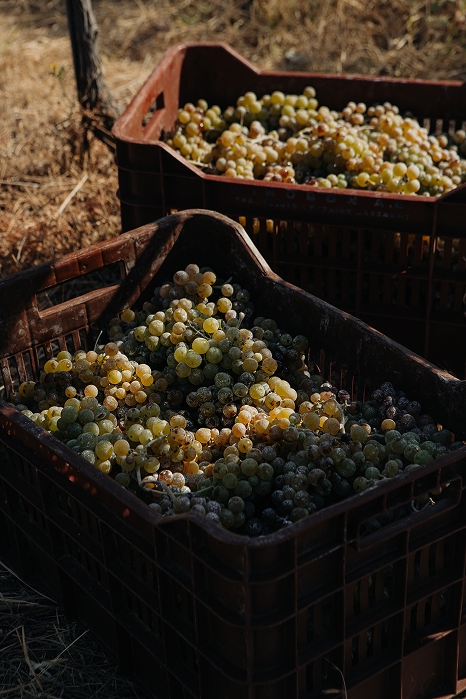
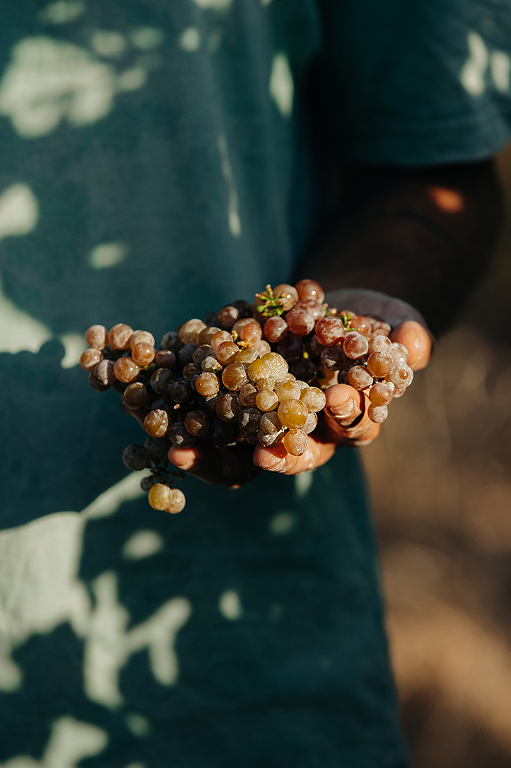
1 ton of grapes equals 720 bottles of wine. So a bottle of wine contains about 1,270 grams of grapes or 500–600 individual grapes.
1 ton of grapes equals 720 bottles of wine. So a bottle of wine contains about 1,270 grams of grapes or 500–600 individual grapes.
1 ton of grapes equals 720 bottles of wine. So a bottle of wine contains about 1,270 grams of grapes or 500–600 individual grapes.
1 ton of grapes equals 720 bottles of wine. So a bottle of wine contains about 1,270 grams of grapes or 500–600 individual grapes.
1 ton of grapes equals 720 bottles of wine. So a bottle of wine contains about 1,270 grams of grapes or 500–600 individual grapes.
1 ton of grapes equals 720 bottles of wine. So a bottle of wine contains about 1,270 grams of grapes or 500–600 individual grapes.
1 ton of grapes equals 720 bottles of wine. So a bottle of wine contains about 1,270 grams of grapes or 500–600 individual grapes.
1 ton of grapes equals 720 bottles of wine. So a bottle of wine contains about 1,270 grams of grapes or 500–600 individual grapes.