
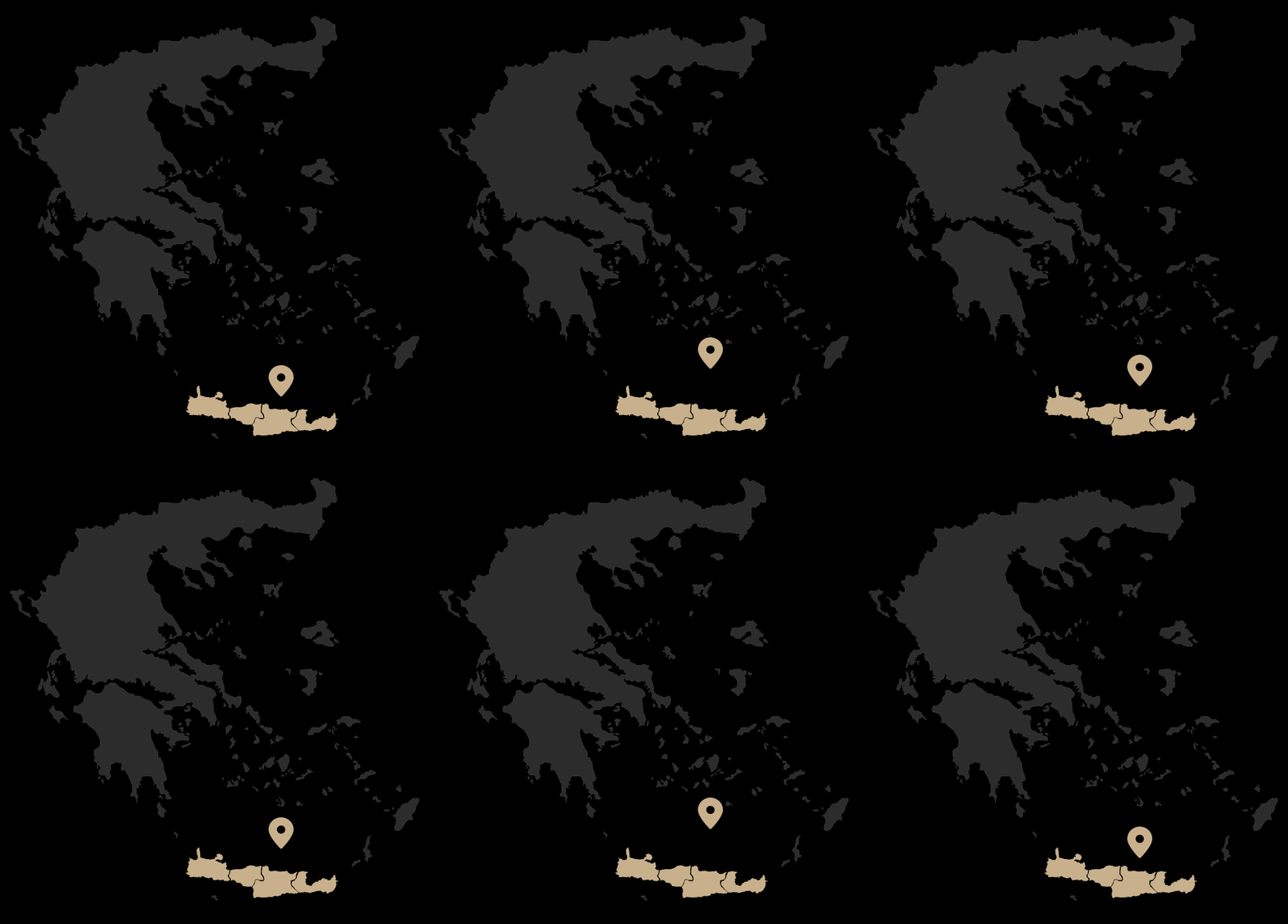
The winery owns over 426 kilometers of vineyards.
A family story
Respecting tradition while embracing modern
winemaking, the vineyards of Heraklion give life to
wines that speak with authenticity—expressing not only
variety and place, but the enduring spirit of Crete itself.
Average annual rain
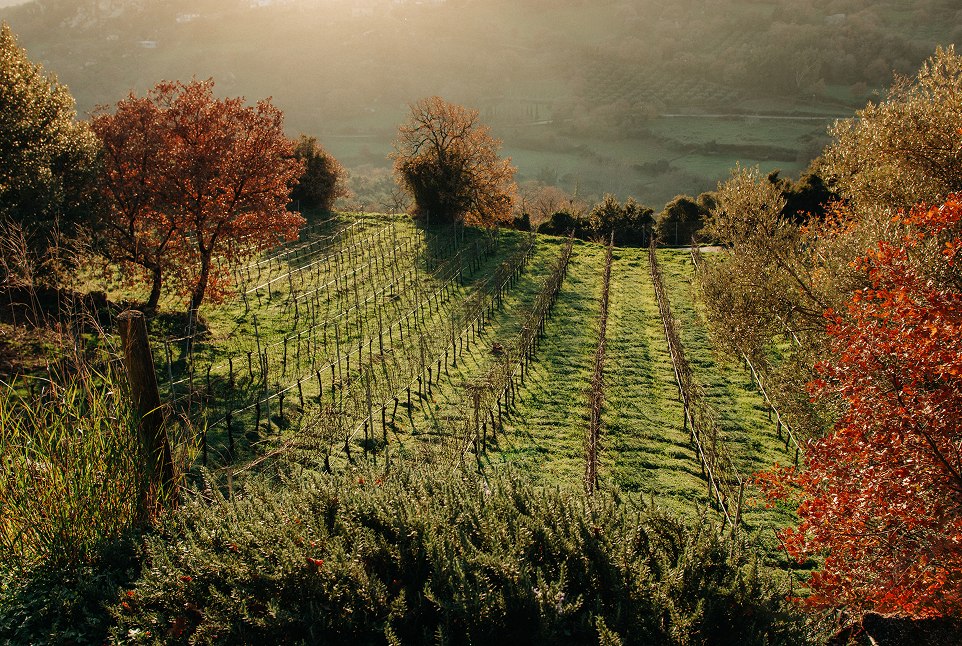
- 464 mm to 540 mm
Average annual temperature
- around 19°C (66°F)
Vilana
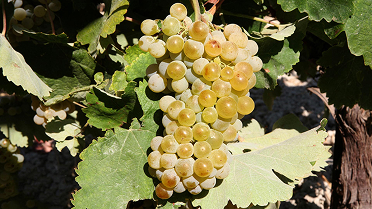
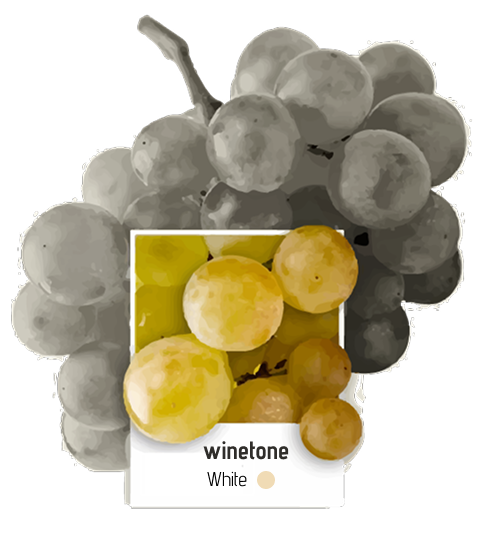
Vilana, an all-time-classic, is a highly-praised Cretan white-wine grape. As with most varieties currently grown in Crete, it is also of Cretan origin. The name is said to originate from the Latin word villanus, meaning rustic.
It is grown all over the island and produces different wines depending on the site. It makes single-varietal wines or blends with other local Cretan grapes.
Vilana flavours can vary from overt and fruity lemony at the lowlands to more mineral and restrained notes of grapefruit and lime at high elevations. It is not uncommon for it to be oak-aged, resulting in creamy and rich wines with an exciting depth of flavours.
Vilana, an all-time-classic, is a highly-praised Cretan white-wine grape. As with most varieties currently grown in Crete, it is also of Cretan origin. The name is said to originate from the Latin word villanus, meaning rustic. It is grown all over the island and produces different wines depending on the site. It makes single-varietal wines or blends with other local Cretan grapes. Vilana flavours can vary from overt and fruity lemony at the lowlands to more mineral and restrained notes of grapefruit and lime at high elevations. It is not uncommon for it to be oak-aged, resulting in creamy and rich wines with an exciting depth of flavours. Vilana is both a blessing and a challenge to vinegrowers. Although yields are high, they don’t seriously affect quality. However, it is also very vigorous, and growers struggle to manage its intense growth. Care must be taken to protect it against berry fungi, like oidium (also called powdery mildew) and botrytis, which creates grey rot when humidity increases.
Assyrtiko
Thrapsathiri
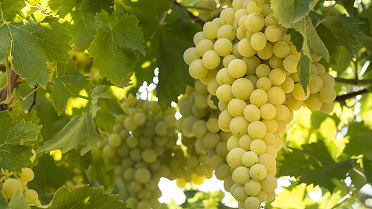
Vilana, an all-time-classic, is a highly-praised Cretan white-wine grape. As with most varieties currently grown in Crete, it is also of Cretan origin. The name is said to originate from the Latin word villanus, meaning rustic.
It is grown all over the island and produces different wines depending on the site. It makes single-varietal wines or blends with other local Cretan grapes.
Vilana flavours can vary from overt and fruity lemony at the lowlands to more mineral and restrained notes of grapefruit and lime at high elevations. It is not uncommon for it to be oak-aged, resulting in creamy and rich wines with an exciting depth of flavours.
Vilana, an all-time-classic, is a highly-praised Cretan white-wine grape. As with most varieties currently grown in Crete, it is also of Cretan origin. The name is said to originate from the Latin word villanus, meaning rustic. It is grown all over the island and produces different wines depending on the site. It makes single-varietal wines or blends with other local Cretan grapes. Vilana flavours can vary from overt and fruity lemony at the lowlands to more mineral and restrained notes of grapefruit and lime at high elevations. It is not uncommon for it to be oak-aged, resulting in creamy and rich wines with an exciting depth of flavours. Vilana is both a blessing and a challenge to vinegrowers. Although yields are high, they don’t seriously affect quality. However, it is also very vigorous, and growers struggle to manage its intense growth. Care must be taken to protect it against berry fungi, like oidium (also called powdery mildew) and botrytis, which creates grey rot when humidity increases.
Vidiano
Muscat of Spina
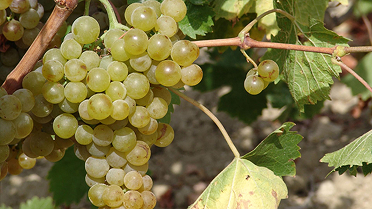
Vilana, an all-time-classic, is a highly-praised Cretan white-wine grape. As with most varieties currently grown in Crete, it is also of Cretan origin. The name is said to originate from the Latin word villanus, meaning rustic.
It is grown all over the island and produces different wines depending on the site. It makes single-varietal wines or blends with other local Cretan grapes.
Vilana flavours can vary from overt and fruity lemony at the lowlands to more mineral and restrained notes of grapefruit and lime at high elevations. It is not uncommon for it to be oak-aged, resulting in creamy and rich wines with an exciting depth of flavours.
Vilana, an all-time-classic, is a highly-praised Cretan white-wine grape. As with most varieties currently grown in Crete, it is also of Cretan origin. The name is said to originate from the Latin word villanus, meaning rustic. It is grown all over the island and produces different wines depending on the site. It makes single-varietal wines or blends with other local Cretan grapes. Vilana flavours can vary from overt and fruity lemony at the lowlands to more mineral and restrained notes of grapefruit and lime at high elevations. It is not uncommon for it to be oak-aged, resulting in creamy and rich wines with an exciting depth of flavours. Vilana is both a blessing and a challenge to vinegrowers. Although yields are high, they don’t seriously affect quality. However, it is also very vigorous, and growers struggle to manage its intense growth. Care must be taken to protect it against berry fungi, like oidium (also called powdery mildew) and botrytis, which creates grey rot when humidity increases.
Kotsifali
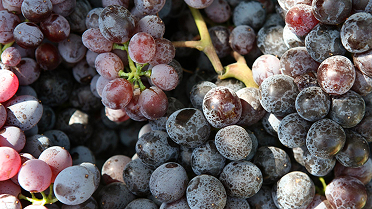
Mandilari
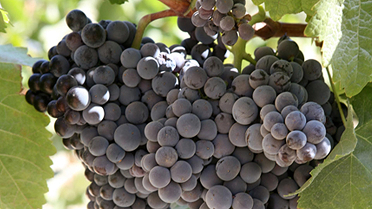
Vilana, an all-time-classic, is a highly-praised Cretan white-wine grape. As with most varieties currently grown in Crete, it is also of Cretan origin. The name is said to originate from the Latin word villanus, meaning rustic.
It is grown all over the island and produces different wines depending on the site. It makes single-varietal wines or blends with other local Cretan grapes.
Vilana flavours can vary from overt and fruity lemony at the lowlands to more mineral and restrained notes of grapefruit and lime at high elevations. It is not uncommon for it to be oak-aged, resulting in creamy and rich wines with an exciting depth of flavours.